In high-performance plastic manufacturing, not every batch of material meets the exact specifications required for its intended application. Whether it’s surplus resin, off-specification pellets, or excess material from production, these materials can accumulate quickly and create unnecessary inventory and disposal costs.
However, off-grade polymers aren’t necessarily waste. Many materials that fall outside their original specifications may still have value through recycling, reprocessing, or alternative industrial applications.
For manufacturers working with high-performance thermoplastics like polyetheretherketone (PEEK), understanding how to manage off-grade material can create opportunities to recover value while reducing waste.
What Are Off-Grade Polymers?
Off-grade polymers are plastic materials that do not meet one or more of the specifications established for their intended grade or application. This doesn’t necessarily mean the material is unusable. In many cases, the polymer may still retain valuable properties but fall outside a required tolerance for characteristics such as:
- Melt flow or viscosity: Material that falls outside specified processing parameters.
- Color or appearance: Variations that prevent material from meeting aesthetic or visual requirements.
- Mechanical properties: Material that does not achieve a particular strength, stiffness, or performance specification.
- Contamination: The presence of foreign material or unintended additives that affect its suitability for the original application.
- Production inconsistencies: Batches that fail to meet specific customer or manufacturing requirements.
Depending on the material’s condition, composition, and quality, off-grade polymers may be suitable for reprocessing, recycling, or use in applications with different performance requirements.
Common Sources of Off-Grade and Surplus PEEK Material
PEEK is a high-performance thermoplastic valued for its mechanical strength, chemical resistance, and ability to perform in demanding environments. Because PEEK is a relatively expensive engineering polymer, unused or off-specification material can represent a significant financial loss if it is simply discarded. Manufacturers may generate excess PEEK material through several sources:
1. Off-Specification PEEK Pellets
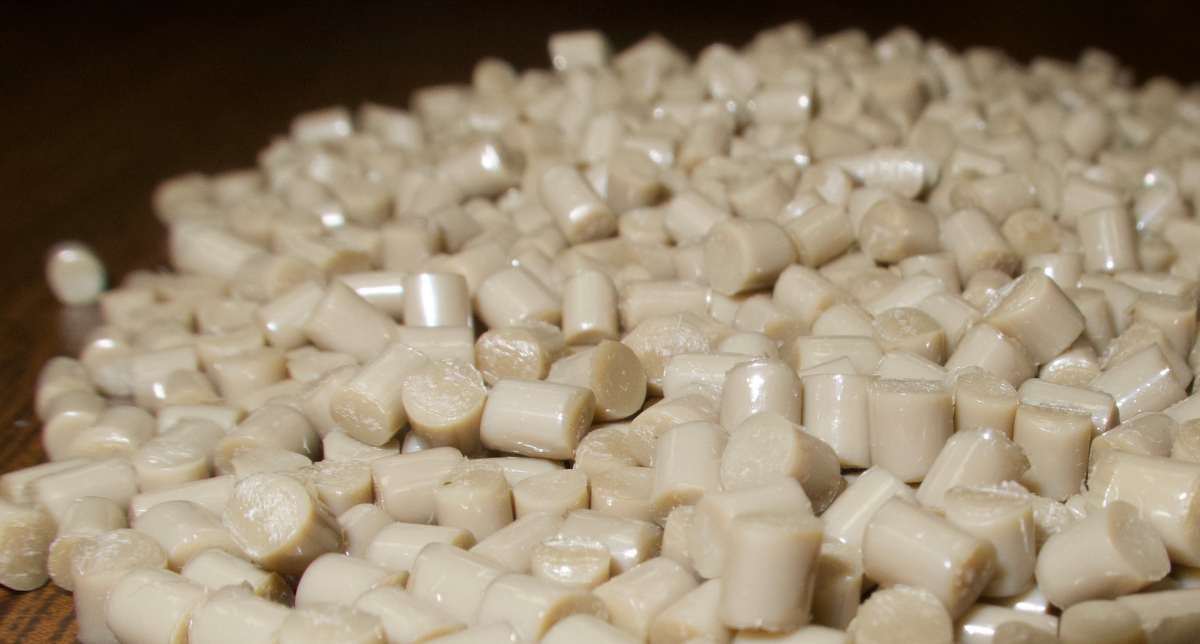
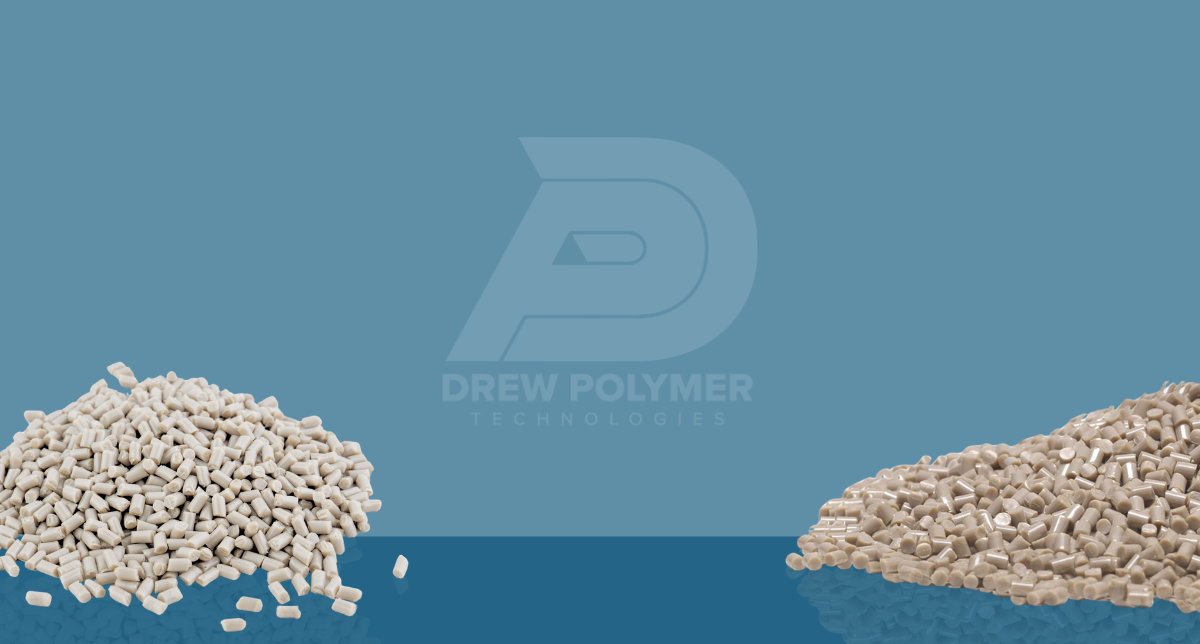
Resin manufacturers and processors may produce batches of PEEK pellets that fall outside certain specifications. Although these pellets may not qualify for their original intended application, they may still have potential value depending on their condition and material properties.
2. Excess or Obsolete Inventory
Production changes, discontinued projects, and purchasing adjustments can leave manufacturers with unused PEEK pellets, rods, sheets, or other stock forms. Even when the material remains unused, it may no longer serve an immediate production need.
3. CNC Machining Scrap and Shavings
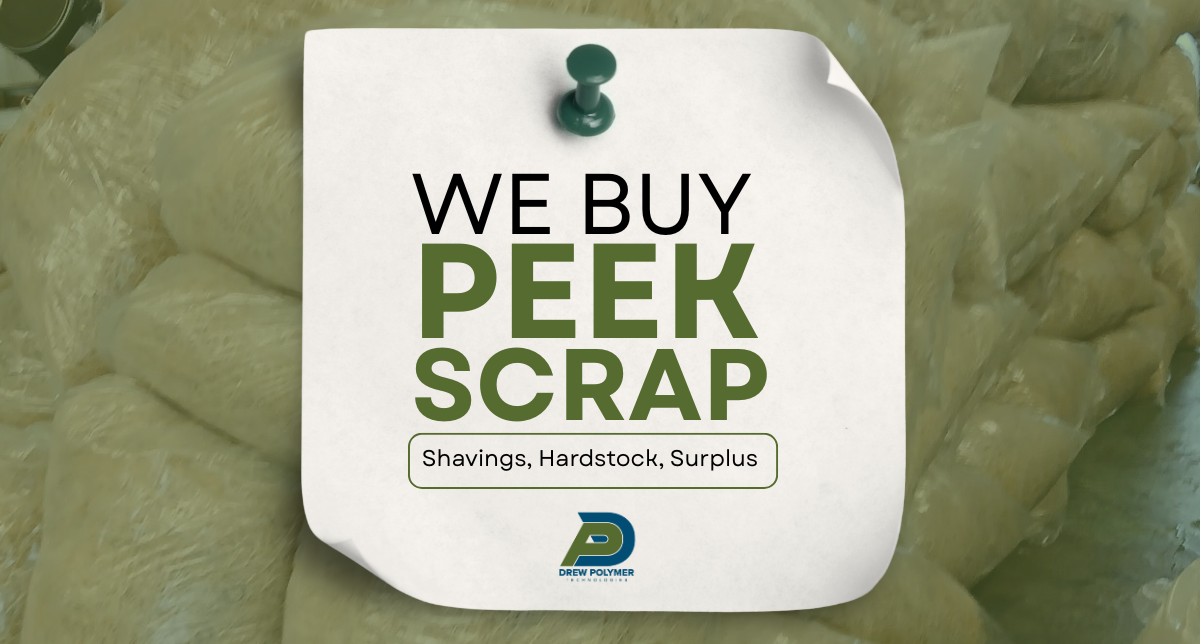
Manufacturers machining PEEK components often generate chips, shavings, and offcuts during production. When properly segregated and collected, clean PEEK machining scrap may be suitable for recycling and material recovery.
4. Production Scrap and Rejected Components
Manufacturing operations may also generate rejected PEEK parts, startup scrap, and leftover material from production runs. The recycling potential of these materials depends on factors such as polymer grade, contamination, fillers, and previous processing history.
Can Off-Grade PEEK Be Recycled?
Yes. Certain off-grade and surplus PEEK materials can be recycled, although recyclability depends on the material’s composition, condition, and processing history. PEEK is a thermoplastic, meaning it can be softened and reprocessed using heat under appropriate conditions. This makes mechanical recycling a potential option for suitable material streams. However, not all off-grade PEEK is automatically recyclable. Factors that influence recycling potential include:
- Material grade and manufacturer
- Whether the PEEK is virgin, previously processed, or recycled
- Presence of fillers such as carbon fiber, glass fiber, or PTFE
- Contamination from machining fluids, metals, or other polymers
- Material form, including pellets, shavings, chunks, rods, and sheets
- Available documentation and material traceability
Clean, well-identified material is generally easier to evaluate for recycling than mixed or contaminated scrap. For this reason, manufacturers should keep different polymer grades and material streams separated whenever possible.
How Does PEEK Recycling Work?
The recycling process varies depending on the material being collected and its intended end use. A typical mechanical recycling process may involve the following steps:
Step 1: Material Identification
The polymer type, grade, and condition are reviewed to determine whether the material may be suitable for recycling.
Step 2: Collection and Sorting
Materials are separated by polymer type, grade, and composition to help prevent cross-contamination.
Step 3: Size Reduction
Depending on the incoming material form, scrap may be ground or shredded into smaller pieces for easier handling and processing.
Step 4: Reprocessing
Suitable material may undergo additional processing, including filtration, melt processing, or pelletizing, depending on the requirements of the intended application.
Step 5: Material Reuse
Reprocessed polymer may be evaluated for use in applications where its verified properties meet the necessary performance requirements. Not every material stream follows each of these steps. The appropriate recycling route depends on material quality, technical requirements, and the capabilities of the recycling operation.
Why Manufacturers Should Consider Recycling Excess PEEK
For businesses working with high-performance polymers, recycling can provide benefits beyond reducing the amount of material sent to disposal.
Recover Value From Unused Material
PEEK is a valuable engineering thermoplastic. Instead of allowing excess inventory, machining scrap, or off-grade material to accumulate, manufacturers may have an opportunity to sell qualifying material to a specialized recycler or buyer.
Reduce Material Waste
Recycling suitable polymer scrap can help divert material from disposal and support more efficient use of existing resources.
Improve Inventory Management
Selling obsolete or surplus material can help manufacturers free up valuable storage space and reduce the burden of managing unused inventory.
Support Circular Material Practices
Recovering and reusing suitable high-performance polymers can reduce the need for virgin material in applications where recycled content meets performance requirements.
What Should Manufacturers Do With Excess PEEK Material?
If your facility generates PEEK scrap, shavings, off-grade pellets, or surplus stock, the first step is to identify and document the material you have available. Before contacting a potential buyer, consider gathering:
- Material type and grade: PEEK resin manufacturer, grade designation, and filler content, if known.
- Material form: Pellets, machining shavings, regrind, rods, sheets, or other forms.
- Available quantity: Estimated weight or volume of material.
- Material condition: Whether the material is clean, mixed, contaminated, or previously processed.
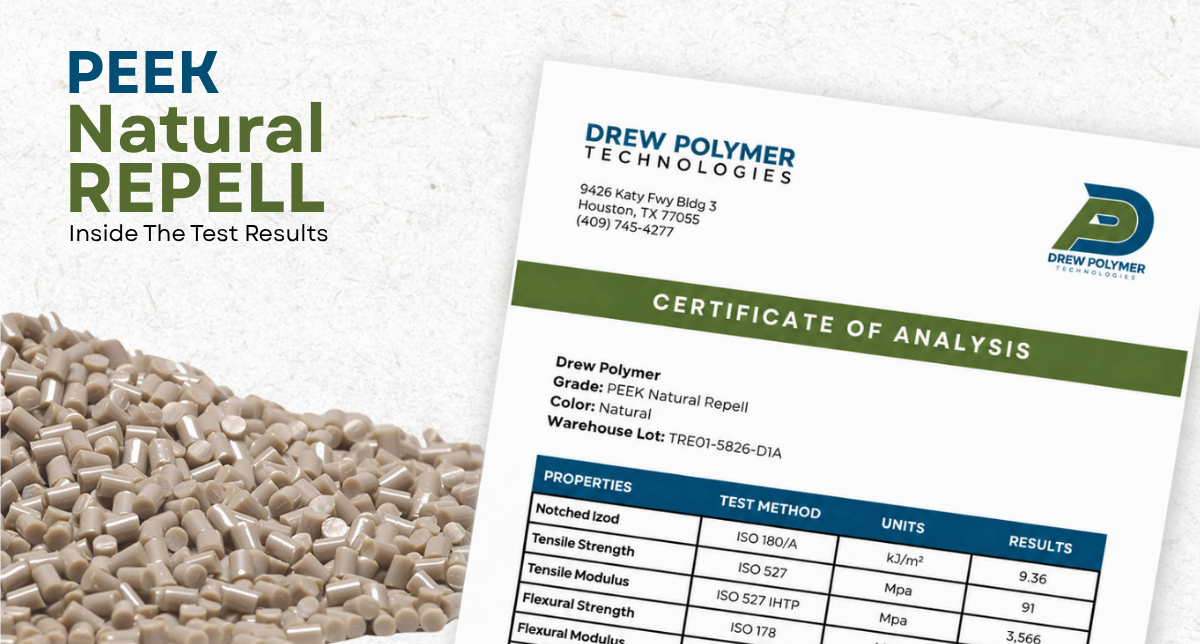
- Supporting documentation: Material labels, technical data sheets, or certificates of analysis, if available.
Providing these details can help determine whether your material is a candidate for purchasing or recycling.
Sell Your Excess PEEK Material to Drew Polymer
At Drew Polymer, we understand that high-performance plastic materials can retain value beyond their original intended application. If your business has PEEK scrap, machining shavings, off-grade material, or surplus inventory, our team can review the material information and determine whether it may be suitable for purchase.
Rather than letting valuable engineering polymers sit unused or enter the waste stream, explore whether your excess material has an opportunity for recovery.
Have PEEK Material to Sell?
Contact Drew Polymer to discuss your available material, quantity, and condition.


Leave A Comment