
Sustainability is often framed as an environmental initiative. In manufacturing, it is also a margin strategy.
For companies that rely on high-performance polymers such as PEEK, circular material strategies can reduce raw material costs, stabilize supply chains, and improve long-term profitability.
When implemented correctly, recycled and reprocessed materials are not a compromise, they are a competitive advantage.
What Is a Circular Material Strategy?
A circular material strategy focuses on keeping valuable materials in use rather than discarding them as waste.
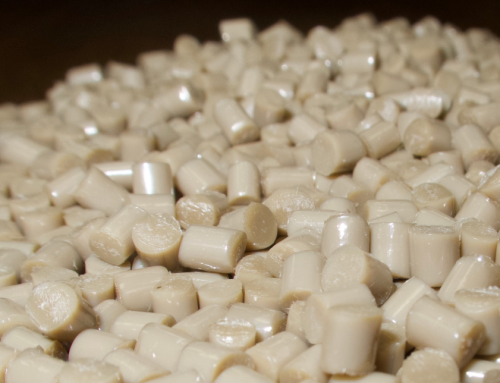
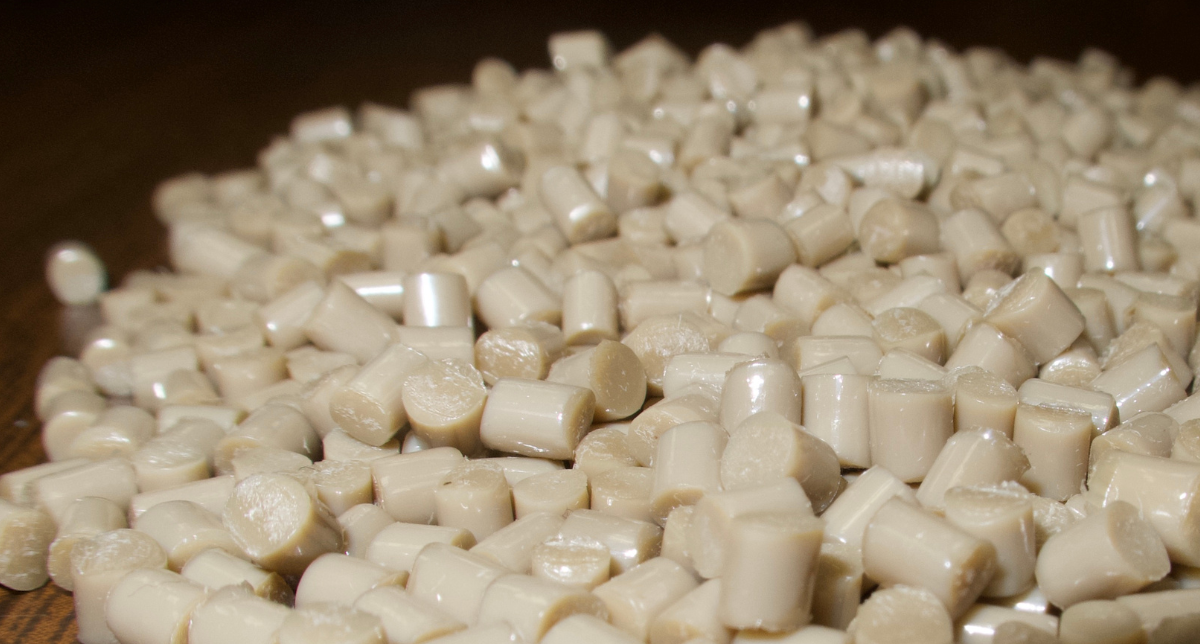
In the context of PEEK, this may include:
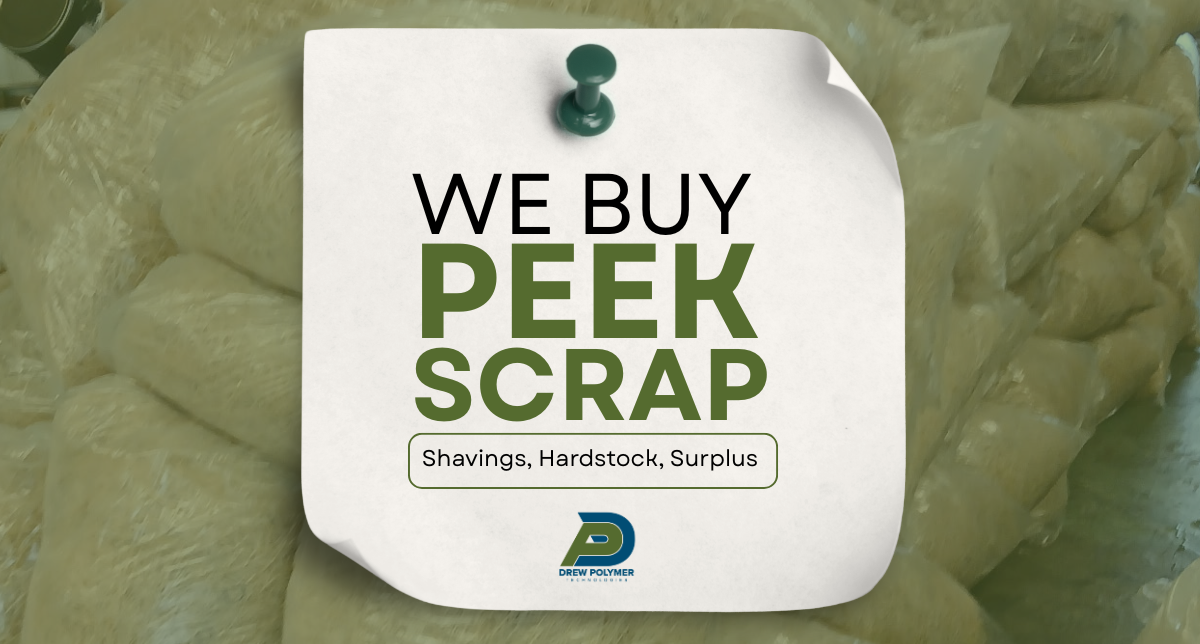
- Reprocessing production scrap
- Repurposing off-spec material
- Recovering clean post-industrial streams
- Validating reprocessed batches for specific applications
Rather than treating scrap as loss, it becomes recoverable value.
The Cost Impact of Virgin PEEK
Virgin PEEK is one of the most expensive thermoplastics used in manufacturing.
Its cost is driven by:
- Raw material complexity
- Limited global suppliers
- Energy-intensive production
- Market volatility
For manufacturers consuming significant volumes, material cost directly affects gross margin.
Replacing even a portion of virgin material with validated reprocessed PEEK can significantly improve cost efficiency.
Waste Reduction as Margin Recovery
Production scrap is often viewed as unavoidable overhead. However, scrap represents material that has already been purchased.
Recovering and reprocessing suitable PEEK streams:
- Reduces disposal costs
- Offsets virgin purchases
- Improves yield metrics
- Strengthens ESG reporting
Waste reduction is not just environmental, it is financial.
Supply Chain Stability
High-performance polymers are subject to:
- Allocation cycles
- Long lead times
- Global disruptions
A diversified material strategy that includes validated recycled or reprocessed streams reduces dependence on single-source virgin supply. This adds operational resilience.
Performance Validation Matters
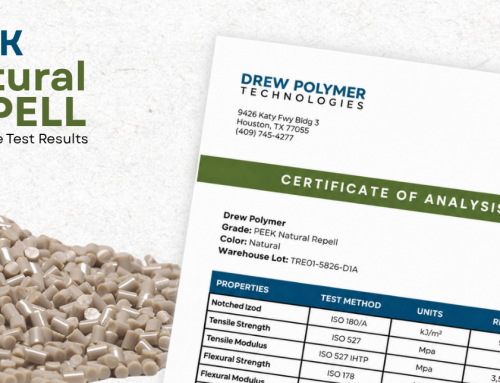
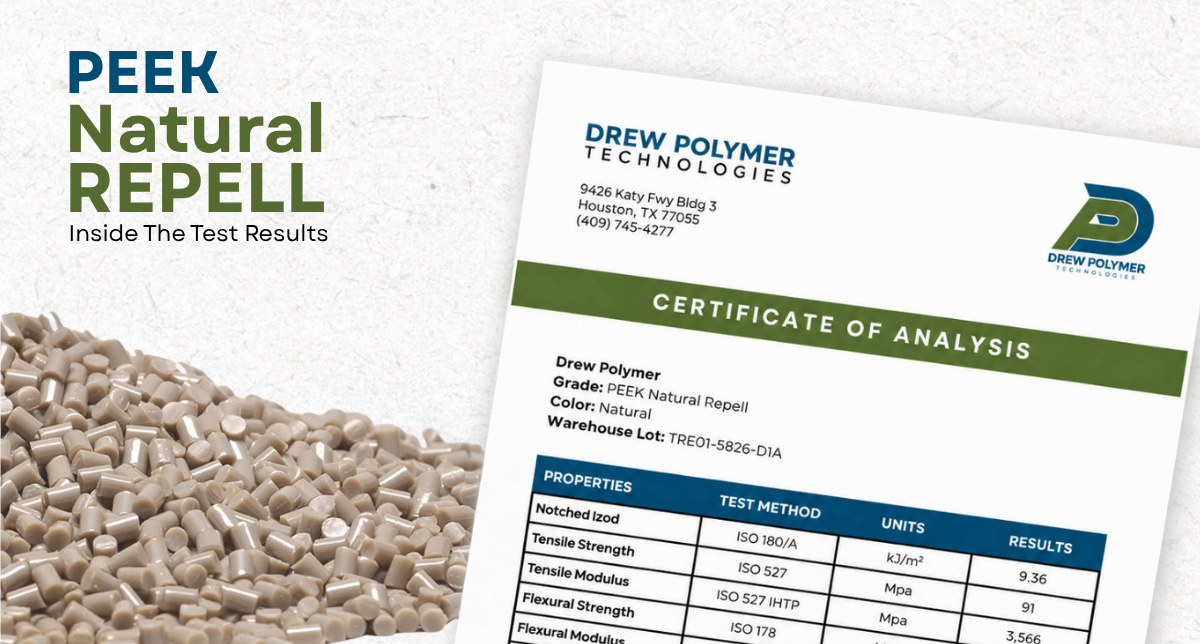
Not all recycled PEEK is equal. Circular strategies only support margins when material performance is evaluated against application requirements. Key validation metrics may include:
- Melt flow behavior
- Tensile properties
- Thermal resistance
- Batch consistency
Application-driven evaluation ensures that cost savings do not introduce risk.
When Circular Makes the Most Sense
Circular material strategies are particularly effective for:
- Non-structural components
- Industrial wear parts
- Electrical insulation applications
- Non-certified industrial assemblies
Highly regulated aerospace or medical implant applications may require stricter material traceability and certification.
Sustainability That Strengthens Profitability
Manufacturers are increasingly measured by:
- Material efficiency
- Waste reduction
- Carbon reporting
- Responsible sourcing
Circular material strategies align sustainability initiatives with financial performance. When material is evaluated properly, circular does not mean lower performance, it means optimized value.
At Drew Polymer, we focus exclusively on high-performance recycled PEEK processed with contamination control and application-driven validation because circular solutions must deliver both performance and margin improvement.