Safety in manufacturing extends beyond equipment, procedures, and employee training. The materials used throughout the production process play a critical role in maintaining safe, reliable operations. When material properties vary from batch to batch, manufacturers may experience unexpected equipment wear, product failures, process interruptions, and increased safety risks.
Material consistency helps manufacturers maintain predictable performance, improve quality outcomes, and reduce operational hazards. Whether used in machining, molding, extrusion, or other industrial processes, reliable material quality supports safer and more efficient manufacturing environments.
What Is Material Consistency?
Material consistency refers to the ability of a material to maintain the same physical, mechanical, and chemical properties throughout production and across multiple batches.
Consistent materials provide predictable characteristics such as:
- Strength and durability
- Dimensional stability
- Wear resistance
- Chemical resistance
- Thermal performance
- Machinability
When manufacturers can rely on these properties, they can establish stable processes and reduce unexpected issues that may impact safety or productivity.
The Safety Risks of Inconsistent Materials
Material variations can create challenges that are difficult to detect until production is underway.
Potential risks include:
Unexpected Equipment Wear
Materials that differ in hardness, density, or composition can increase tool wear and place additional stress on manufacturing equipment. This may result in premature tool failure, unexpected downtime, and potential safety concerns for operators.
Product Performance Failures
Components produced from inconsistent materials may not meet performance expectations. In critical applications, this can lead to leaks, cracks, deformation, or premature failure that affects equipment reliability and workplace safety.
Increased Scrap and Rework
When material properties vary, production processes often require adjustments to maintain quality standards. These adjustments can increase scrap rates, create additional handling requirements, and expose employees to unnecessary risks during rework activities.
Process Instability
Manufacturing operations rely on repeatable processes. Inconsistent material behavior can lead to fluctuations in cycle times, machining performance, temperatures, and finished part dimensions, making it more difficult to maintain safe operating conditions.
How Material Consistency Improves Manufacturing Safety
Supports Predictable Production Processes
Consistent materials allow operators and engineers to establish proven manufacturing parameters with confidence. When material properties remain stable, production processes become more repeatable and easier to control.
Predictable processes reduce the likelihood of unexpected events that could impact equipment performance or operator safety.
Reduces Equipment Stress
Materials that meet established specifications help equipment operate as intended. Consistent feed rates, cutting conditions, and processing parameters reduce unnecessary strain on machines and tooling.
This helps extend equipment life while lowering the risk of unexpected breakdowns during production.
Improves Product Quality
Reliable material properties contribute to more consistent finished products. When components perform as designed, manufacturers can reduce quality issues, warranty claims, and potential safety concerns in the field.
Higher-quality products support both customer satisfaction and operational reliability.
Minimizes Downtime and Emergency Repairs
Unexpected material-related failures often lead to unplanned downtime and urgent maintenance activities. These situations can create additional safety risks as teams work quickly to restore production.
By reducing material variability, manufacturers can better plan maintenance activities and avoid unnecessary disruptions.
The Importance of Supplier Quality Control
Material consistency begins with strong quality control practices.
Manufacturers should work with suppliers that prioritize:
- Material traceability
- Batch-to-batch quality verification
- Incoming material inspections
- Consistent sourcing practices
- Documented testing procedures
- Reliable inventory management
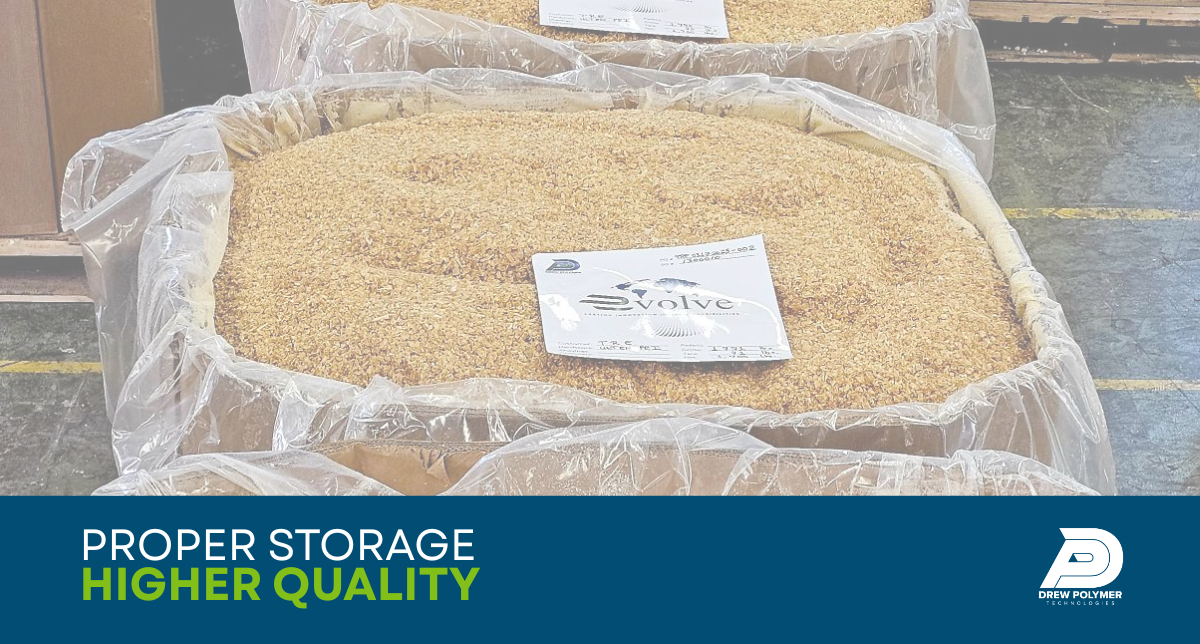
A dependable supply partner helps ensure that materials perform consistently from delivery through final production.
Why Reprocessed and Recycled Materials Require Quality Focus
Reprocessed and recycled polymers provide significant environmental and economic benefits, but consistency remains essential.
Through proper sorting, inspection, processing, and quality control procedures, recycled materials can deliver dependable performance while supporting sustainability goals.
Organizations that maintain strict quality standards throughout the recycling process help manufacturers gain the benefits of recycled materials without sacrificing reliability or safety.
Partner with Drew Polymers for Reliable Material Solutions
At Drew Polymers, we understand that material consistency is critical to manufacturing performance, product quality, and workplace safety. Our commitment to quality processing and material management helps customers obtain dependable polymer materials that support reliable manufacturing operations.
Whether you’re sourcing reprocessed plastics, recycled materials, or specialty polymer products, consistency matters—and it starts with the right partner.
Safe manufacturing operations depend on more than equipment and procedures. Consistent material performance helps reduce process variability, improve product quality, minimize downtime, and support a safer work environment.
By prioritizing material consistency throughout the supply chain, manufacturers can create more reliable processes, protect employees, and achieve stronger operational results.