Choosing the right high-performance polymer starts with selecting the right material, but just as important is choosing the right material form. When it comes to PEEK, the form you choose can directly impact manufacturing efficiency, lead times, cost, and long-term part performance.
Whether you are injection molding a high-volume component, machining a custom part, or sourcing stock shapes for industrial maintenance, understanding the differences between PEEK pellets, rods, and sheets can help you make the best decision for your application.
Why PEEK Is a Preferred Material in Demanding Applications
Polyether ether ketone (PEEK) is one of the most trusted engineering thermoplastics available today. Known for its exceptional strength, chemical resistance, and thermal stability, PEEK is used in industries where performance and reliability are critical.
PEEK is commonly used in:
- Oil and gas
- Aerospace
- Medical
- Semiconductor
- Food processing
- Industrial manufacturing
Key performance benefits include:
- Excellent wear and friction resistance
- High temperature capability
- Outstanding dimensional stability
- Strong chemical resistance
- Low moisture absorption
- High strength-to-weight ratio
While these properties make PEEK an attractive material overall, choosing the right form—pellets, rods, or sheets—depends on how your part will be made and how it will perform in service.
PEEK Pellets: Best for High-Volume Production
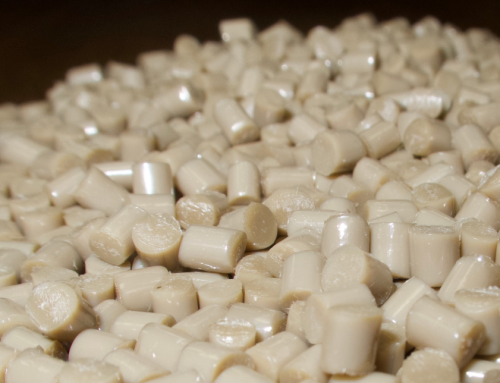
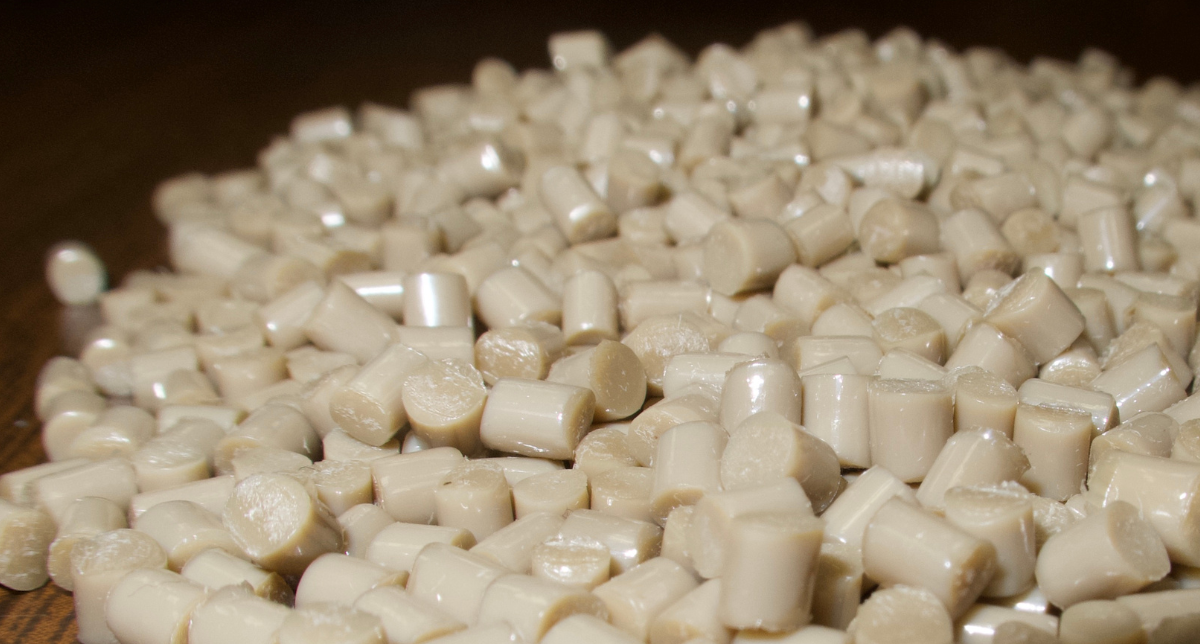
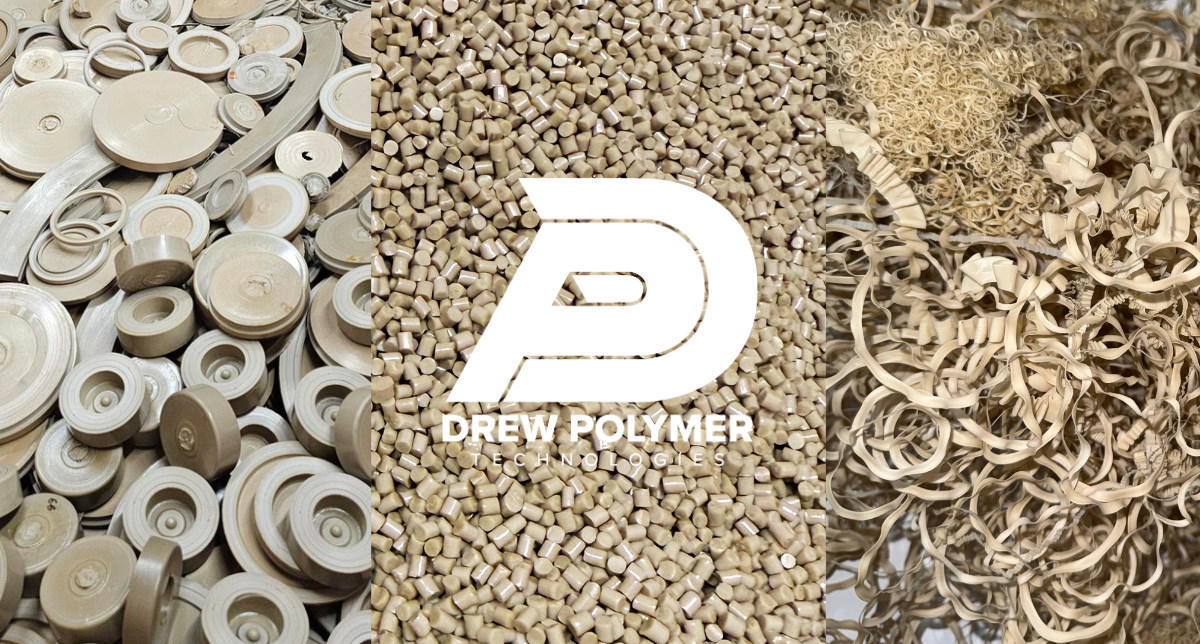
PEEK pellets are the raw feedstock used in injection molding, extrusion, and other melt-processing methods. For manufacturers producing large quantities of repeat parts, pellets are often the most efficient and cost-effective option.
Because pellets are melted and formed into finished components, they are ideal for creating consistent parts with complex geometries and tight tolerances. This process also reduces material waste compared to machining stock shapes.
Benefits of PEEK Pellets
- Best for high-volume production runs
- Lower material waste during manufacturing
- Ideal for complex molded parts
- Lower long-term cost per part
- Excellent consistency across production
Common Applications
- Valve seats
- Pump components
- Electrical connectors
- Medical device components
However, pellets are not always the right choice for every project. Injection molding and extrusion typically require tooling and setup time, which can increase upfront costs. For low-volume jobs, prototypes, or fast-turn applications, stock shapes may be more practical.
PEEK Rods: Ideal for Precision Machined Components
PEEK rod stock is one of the most versatile material forms for machining. Rods are especially well suited for cylindrical or round components that require tight tolerances, smooth finishes, and reliable performance in harsh environments.
Because rod stock is readily machinable, it offers flexibility for engineers and manufacturers who need custom parts without the delay of mold creation. It is also a smart option for prototyping, maintenance replacements, and lower-volume production.
Why Choose PEEK Rods?
PEEK rods offer excellent machinability while maintaining the core properties that make PEEK such a valuable material. They hold up well under heat, pressure, friction, and chemical exposure, making them ideal for demanding industrial applications.
Common Uses for PEEK Rods
- Bushings
- Bearings
- Sleeves
- Seals
- Rollers
- Wear rings
One tradeoff with rod stock is material waste. Because the finished part is machined from a larger stock shape, there can be more scrap than with molded parts. Even so, the faster lead times and design flexibility often make rods the best option for custom or urgent projects.
PEEK Sheets: Best for Flat and Larger Machined Parts
PEEK sheets are flat stock shapes used to machine larger parts, flat components, and structural applications. Sheet stock is commonly chosen when parts require broad surfaces, specific thicknesses, or more complex flat geometries.
PEEK sheets offer the same high-performance benefits as pellets and rods, including excellent wear resistance, thermal stability, and chemical compatibility.
Advantages of PEEK Sheets
- Ideal for flat or oversized components
- Available in multiple thicknesses
- Good for machining multiple parts from one sheet
- Excellent dimensional stability
- Performs well in harsh environments
Common Applications
- Wear pads
- Gaskets and seals
- Electrical insulation panels
- Structural plates
- Custom fixtures and machine components
For manufacturers producing flat parts or needing larger machined profiles, sheet stock often provides the best balance of flexibility and performance.
How to Choose the Right PEEK Form for Your Project
There is no universal answer when choosing between PEEK pellets, rods, and sheets. The best option depends on your project goals, production needs, and part design.
Consider These Key Factors
1. Production Volume
If you are producing large quantities of the same part, pellets are typically the most efficient option. For low-to-medium volume runs, rods or sheets are often more practical.
2. Part Geometry
The shape of your component matters:
- Round parts: rods
- Flat parts: sheets
- Complex molded parts: pellets
3. Lead Time
If speed matters, rod and sheet stock usually offer faster turnaround because they do not require tooling.
4. Cost
Pellets may lower long-term production costs at scale, but stock shapes are often more cost-effective for short runs or custom jobs.
5. Material Waste
Injection molding with pellets generally creates less waste. Machining rods and sheets can generate scrap, but offers more flexibility.
Why Material Quality Matters
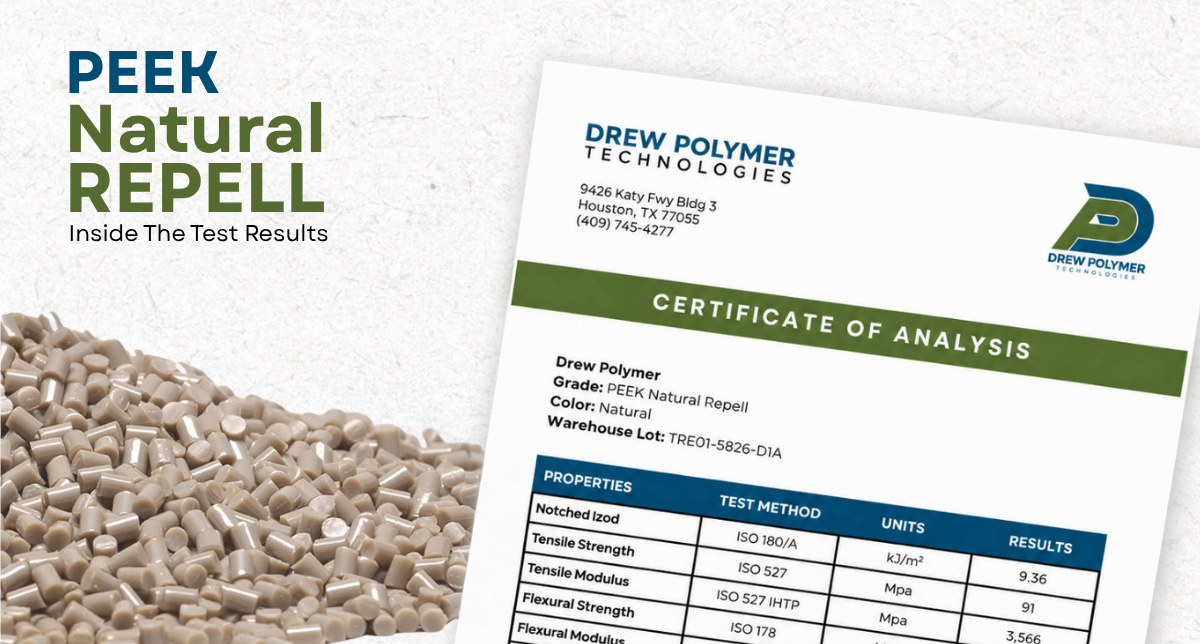
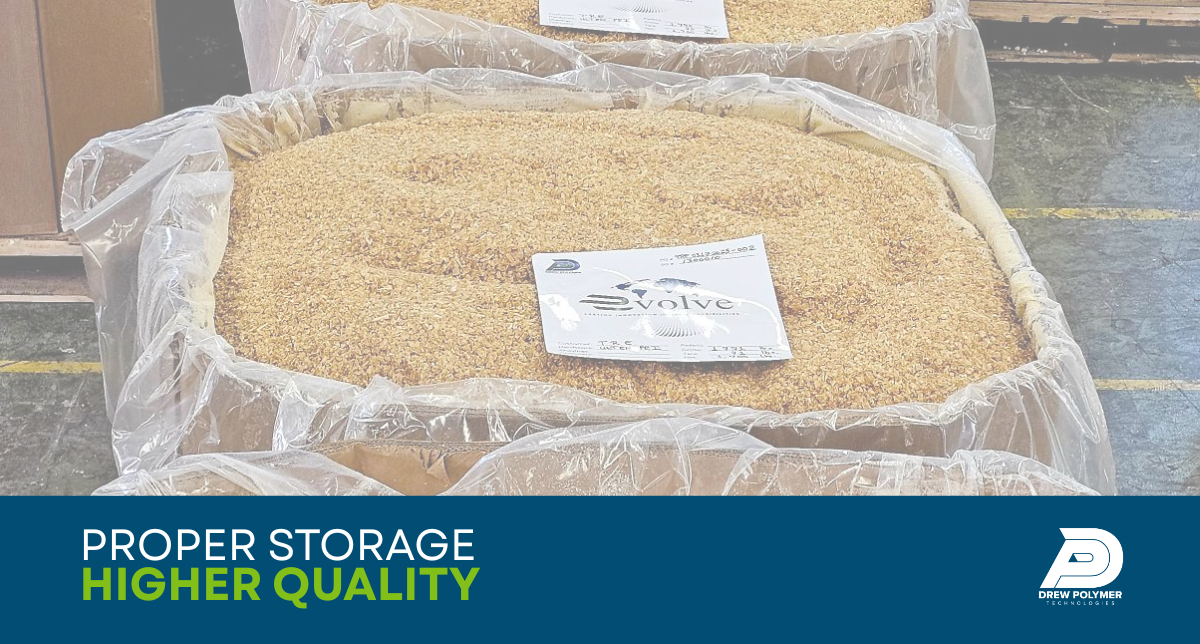
No matter which PEEK form you choose, material consistency and supplier reliability are critical. Performance in the field depends on more than just selecting PEEK—it depends on sourcing the right grade, form, and quality for the application.
A trusted supplier should provide:
- Consistent material quality
- Reliable inventory and lead times
- Lot traceability
- Technical support
- Application guidance
This is especially important for recycled or repurposed PEEK, where material validation and quality control are essential.
Finding the Right PEEK Solution
Choosing between PEEK pellets, rods, and sheets comes down to how your part will be manufactured, how quickly you need it, and how it needs to perform.
To simplify:
- Choose pellets for high-volume molded production
- Choose rods for precision round machined parts
- Choose sheets for flat, larger, or structural machined parts
Making the right choice early in the project can help reduce waste, improve lead times, and maximize performance.
At Drew Polymer, we help manufacturers source high-performance polymer solutions tailored to their exact application. Whether you need PEEK pellets, rod stock, sheet stock, or repurposed material options, our team can help you find the best fit for your project.