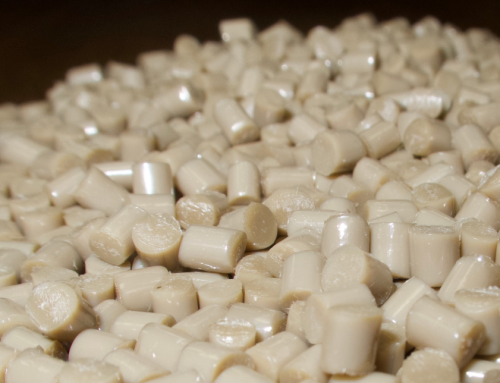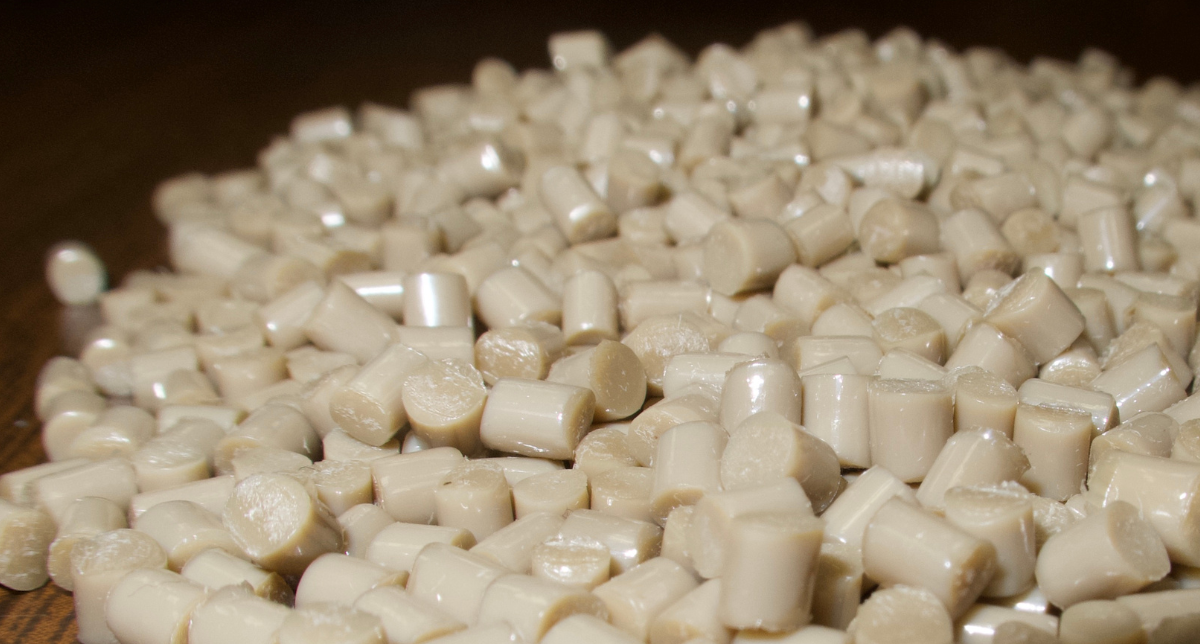
Polyether ether ketone (PEEK) is one of the most valuable engineering plastics used in manufacturing today. Its exceptional strength, chemical resistance, temperature performance, and dimensional stability make it the material of choice for demanding industries such as aerospace, oil and gas, semiconductor, medical, and industrial manufacturing.
However, because PEEK is a premium material, even the scrap generated during machining or leftover inventory represents significant value. Unfortunately, many manufacturers continue to dispose of PEEK chips, shavings, drops, and obsolete inventory without realizing there is an established market for reclaiming these materials.
If your facility regularly machines PEEK or has surplus material collecting dust on warehouse shelves, you may be sitting on valuable inventory. Selling PEEK scrap not only helps recover costs but also supports sustainable manufacturing by allowing high-performance materials to be recycled and reused.
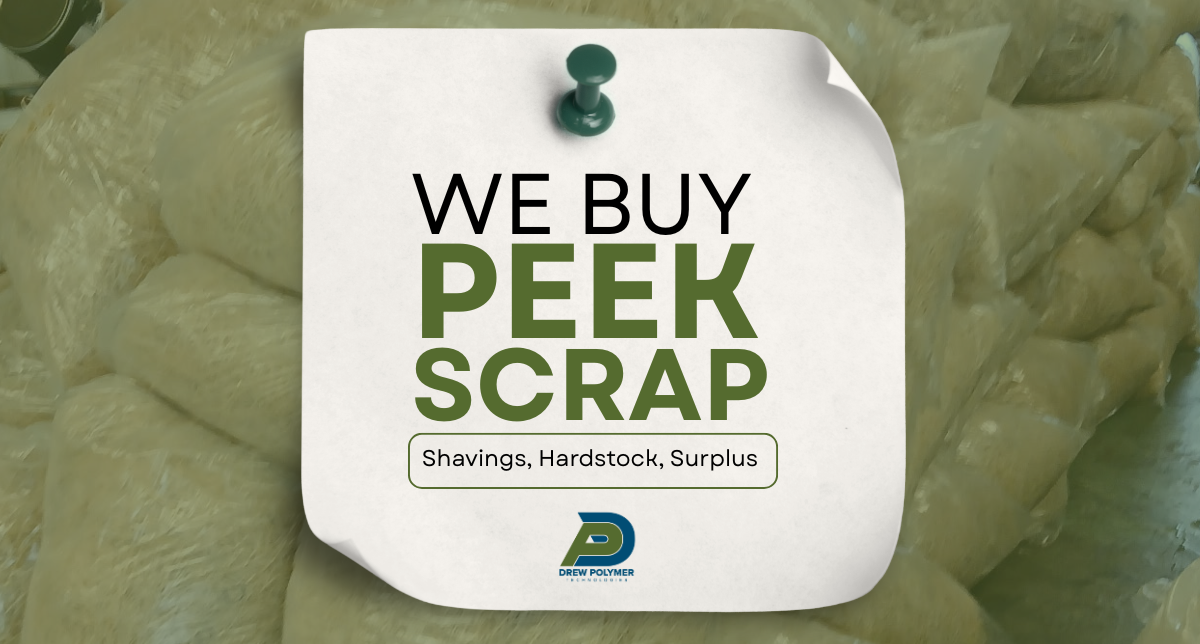
At Drew Polymer Recycling, we purchase a wide variety of PEEK scrap from manufacturers, machine shops, distributors, and industrial facilities throughout North America. Whether you have machining shavings, plate remnants, rod drops, or excess inventory, our team can help you turn unused material into value.
Why PEEK Scrap Is Worth Money
Unlike many commodity plastics, PEEK commands a premium price because of its unique performance characteristics and the complexity involved in producing the material.
PEEK is commonly selected for applications where standard plastics cannot withstand the operating environment. Components made from PEEK are often exposed to high temperatures, aggressive chemicals, heavy mechanical loads, or demanding wear conditions. These properties make virgin PEEK expensive to manufacture and purchase, which is why reclaimed material also retains considerable value.
Every machining operation creates scrap. Whether it is saw cutoffs, milling chips, turning shavings, rejected parts, or leftover stock from completed jobs, these materials still contain valuable engineering polymer that can often be recovered and reprocessed for future applications.
Rather than treating these materials as waste, many manufacturers now view them as recoverable assets that help offset raw material costs while supporting their sustainability initiatives.
What Types of PEEK Scrap Can Be Sold?
Many companies assume only large quantities of unused virgin material have value, but that is far from the truth. A wide variety of PEEK materials may qualify for recycling depending on their condition and composition.
Drew Polymer purchases many forms of PEEK scrap, including:
- Machining chips and shavings
- CNC turning and milling scrap
- Saw cutoffs
- Plate remnants
- Rod remnants
- Sheet drops
- Overstock inventory
- Obsolete inventory
- Excess production material
- Unused virgin PEEK stock
- Certain filled PEEK grades
Every material is evaluated individually based on factors such as grade, cleanliness, quantity, and contamination levels. Even material that has been sitting on warehouse shelves for years may still have significant recycling value.
Industries That Frequently Generate PEEK Scrap
PEEK is used across numerous industries where reliability and long service life are essential. As a result, many manufacturers unknowingly generate recyclable PEEK every day.
Some of the most common industries that produce PEEK scrap include:
- CNC plastic machining companies
- Aerospace manufacturers
- Oil and gas equipment manufacturers
- Semiconductor manufacturers
- Medical device manufacturers
- Industrial equipment manufacturers
- Research laboratories
- Plastic distributors
- Universities and engineering facilities
If your business machines PEEK regularly, chances are you generate valuable scrap during nearly every production run.
Proper Storage Can Increase the Value of Your PEEK Scrap
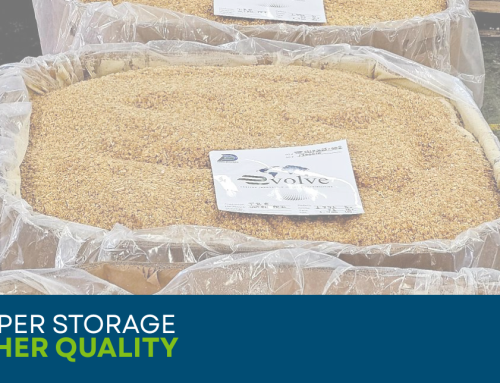
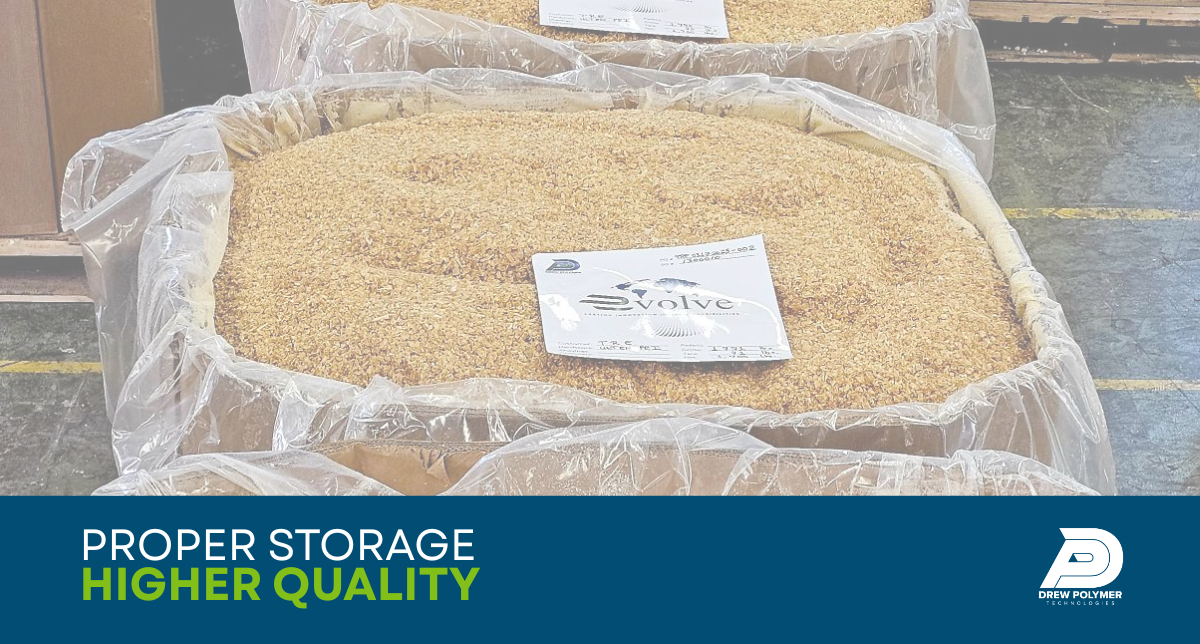
One of the biggest factors affecting recyclable value is how well the material has been stored. Keeping different grades of PEEK separated makes it easier for recyclers to evaluate the material and maintain traceability throughout the recycling process. Mixing virgin PEEK with filled grades or combining PEEK with other engineering plastics can reduce the overall value of the material and make processing more difficult.
Whenever possible, manufacturers should store scrap in clearly labeled containers, keep the material clean and dry, and avoid introducing contamination from metal chips, oils, dirt, cardboard, or other plastic materials. Even simple practices such as separating rod drops from machining shavings or keeping clean plate remnants together can improve the efficiency of recycling and maximize the value of the material.
Facilities that regularly machine PEEK often find that implementing a dedicated scrap collection process not only improves organization but also creates an additional revenue stream from material that might otherwise be discarded.
What Determines the Value of PEEK Scrap?
Every shipment is unique, and several factors influence its overall value.
Material grade is one of the most important considerations. Virgin unfilled PEEK may have different recycling opportunities than carbon-filled, glass-filled, or bearing-grade materials. Quantity also plays a role, as larger volumes generally improve transportation efficiency and processing economics.
Cleanliness is equally important. Material that has been kept free from contamination is generally easier to process than mixed or dirty scrap. Proper identification of the material also helps streamline evaluation and pricing.
Rather than relying on a standard price list, reputable PEEK recyclers evaluate each shipment individually to ensure pricing accurately reflects the material being offered.
How the PEEK Scrap Selling Process Works
Many companies are surprised by how straightforward the recycling process can be.
The first step is simply reaching out to a PEEK recycling company with information about the material you have available. Basic details such as approximate quantity, material form, grade, and condition help begin the evaluation process.
Photos are often helpful because they allow recyclers to quickly assess the material before shipping arrangements are discussed.
Once the material has been reviewed, a purchase offer can be prepared. After acceptance, shipping arrangements are coordinated, the material is received and inspected, and payment is processed according to the agreed terms.
Throughout the process, communication is important. Working with a company experienced in engineering plastics helps ensure the material is properly evaluated and handled.
Why Recycling PEEK Benefits More Than Your Bottom Line
Recovering engineering plastics provides financial benefits, but it also contributes to broader sustainability goals.
Manufacturing organizations across nearly every industry continue looking for ways to reduce waste, improve resource efficiency, and support environmental initiatives. Recycling valuable engineering polymers keeps usable material in circulation while reducing unnecessary disposal.
Instead of sending expensive materials to landfills, manufacturers can demonstrate responsible material management while recovering value from production waste.
For companies tracking sustainability metrics, material recycling can also support waste reduction programs and environmental reporting initiatives.
Choosing the Right PEEK Scrap Buyer
Not every recycling company specializes in high-performance engineering plastics. Working with a buyer that understands PEEK, its various grades, and its applications helps ensure your material is accurately identified and fairly evaluated.
An experienced PEEK recycler should be knowledgeable about engineering plastics, responsive during the quoting process, transparent about evaluation methods, and capable of handling both recurring production scrap and one-time inventory cleanouts. Whether your company produces a few boxes of scrap each year or several pallets every month, choosing a knowledgeable recycling partner helps simplify the process while maximizing the value of your material.
Why Companies Choose Drew Polymer Recycling
At Drew Polymer Recycling, engineering plastics are our specialty. We work with manufacturers, distributors, and machine shops across North America to purchase PEEK scrap and other high-performance engineering plastics. Our team understands the value of these materials and works to provide a straightforward, professional purchasing experience from initial inquiry through final payment.
Whether you’re cleaning out obsolete inventory, generating machining scrap every week, or looking for a long-term recycling partner, we’re here to help.
Ready to Sell Your PEEK Scrap?
If you have PEEK rod remnants, plate drops, machining shavings, excess inventory, or other recyclable PEEK materials, don’t let valuable material sit unused or end up in the dumpster. Drew Polymer makes it easy to evaluate your material, provide a competitive purchase offer, and help recover value from surplus engineering plastics.
Contact our team today to discuss your available PEEK scrap and learn how your unused material can become a valuable asset instead of manufacturing waste.