Understanding the Test Results for Drew Polymer’s PEEK Natural Repell
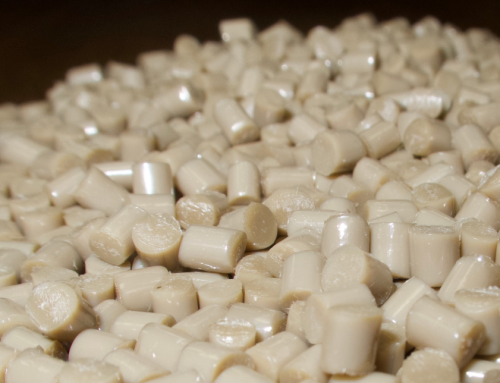
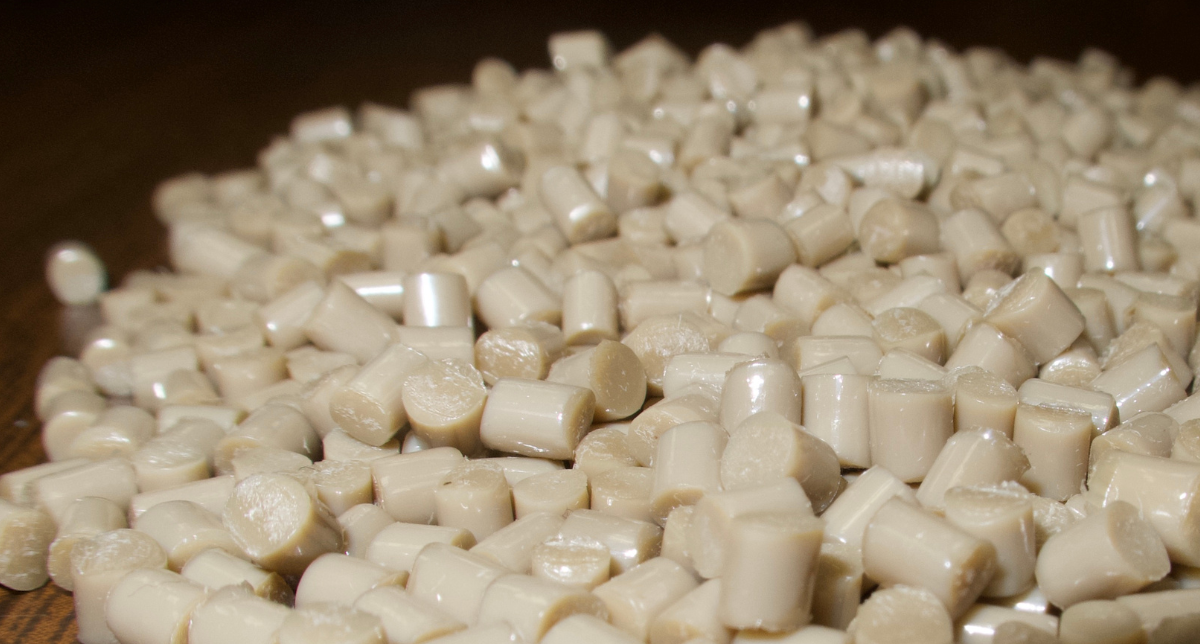
What Is PEEK Natural Repell?
PEEK, or polyether ether ketone, is a high-performance engineering thermoplastic known for its combination of mechanical strength, temperature resistance, chemical resistance, and dimensional stability.
These properties make PEEK valuable across demanding industries and applications. However, PEEK is also a high-value polymer, which makes recovering and reprocessing usable material particularly important.
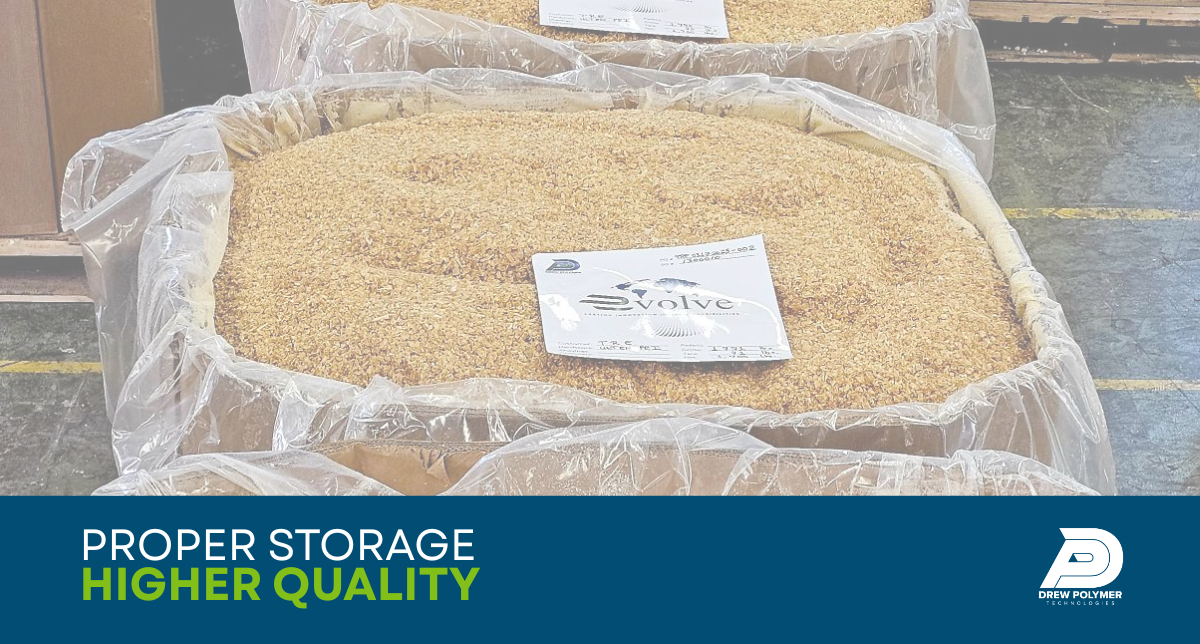
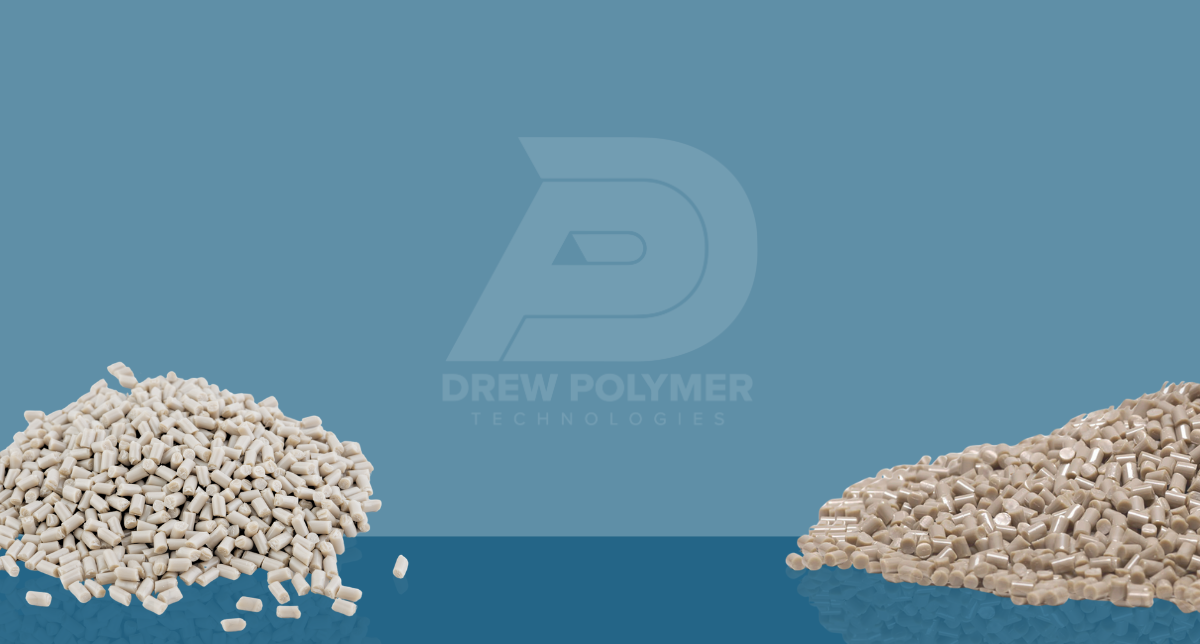
Drew Polymer Technologies specializes in recovering PEEK scrap, including materials such as machining shavings, offcuts, surplus inventory, and other recoverable PEEK material streams. Through controlled processing, usable PEEK can be reclaimed and converted into material that can be considered for new manufacturing applications.
Our Natural Repell product represents part of that effort.
To better characterize the material, we evaluated several properties commonly used when assessing engineering thermoplastics.
PEEK Natural Repell Test Results
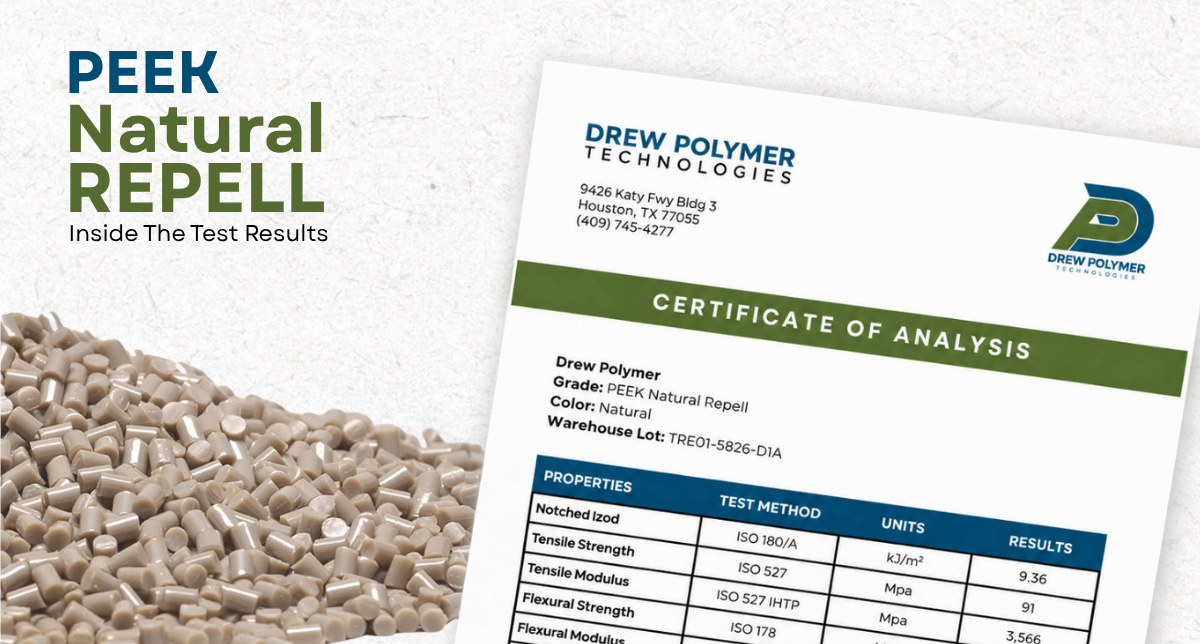
The reported test results for our Natural Repell material include:
| Property | Test Method | Units | Result |
|---|---|---|---|
| Notched Izod | ISO 180/A | kJ/m² | 9.36 |
| Tensile Strength | ISO 527 | MPa | 91 |
| Tensile Modulus | ISO 527 1HTP | MPa | 3,566 |
| Flexural Strength | ISO 178 | MPa | 127 |
| Flexural Modulus | ISO 178 | MPa | 3,231 |
| Moisture | — | % | 0.2 |
But the numbers alone don’t tell the whole story. Understanding what each test measures helps put these results into context.
Tensile Strength: 91 MPa
Tensile strength measures how much pulling force a material can withstand before failure. Imagine taking a sample and pulling it from opposite ends until it breaks. Tensile testing measures how the material responds to that load.
Our PEEK Natural Repell produced a reported tensile strength of 91 MPa using ISO 527 testing.
Tensile strength is an important consideration for components that may experience pulling, stretching, or other tensile loads during use. For manufacturers evaluating reclaimed PEEK, this measurement provides one indication of the material’s mechanical performance.
Tensile Modulus: 3,566 MPa
While tensile strength tells us how much stress the material can withstand, tensile modulus provides information about stiffness.
Our Natural Repell material produced a tensile modulus result of 3,566 MPa.
A higher tensile modulus generally indicates a stiffer material that resists deformation when force is applied. This characteristic can be especially important when dimensional stability and rigidity are priorities in the finished component.
Together, tensile strength and tensile modulus provide a more complete understanding of how a polymer behaves when subjected to tensile loading.
Flexural Strength: 127 MPa
Components aren’t always pulled directly from opposite ends. Many applications subject materials to bending forces instead.
That’s where flexural strength becomes important.
Our PEEK Natural Repell produced a flexural strength result of 127 MPa under ISO 178 testing.
Flexural testing evaluates how a material responds when a load causes it to bend. This property can be particularly relevant for components that may encounter bending or combined loading during service.
Understanding flexural performance gives manufacturers another useful data point when evaluating whether a material may be appropriate for a particular part or application.
Flexural Modulus: 3,231 MPa
Flexural modulus measures the material’s stiffness while it is being bent.
The reported flexural modulus for our Natural Repell material was 3,231 MPa using ISO 178 testing.
Like tensile modulus, this value helps characterize the rigidity of the material. However, it evaluates that behavior under bending rather than direct tensile loading.
For components where maintaining shape under load is important, flexural modulus can be an important part of the material-selection process.
Notched Izod Impact: 9.36 kJ/m²
Not every load is applied gradually. Parts may also encounter sudden impacts, which is why impact testing is another useful part of material characterization.
Our PEEK Natural Repell produced a Notched Izod result of 9.36 kJ/m² using the ISO 180/A test method.
Notched Izod testing evaluates a material’s resistance to impact when a controlled notch is present in the test specimen. The notch creates a stress concentration, providing information about how the material behaves when subjected to a sudden impact under standardized test conditions.
This result adds another dimension to the overall mechanical profile of the material beyond tensile and flexural properties.
Moisture Content: 0.2%
The reported moisture content of the tested material was 0.2%.
Moisture is an important consideration when processing engineering thermoplastics. Excess moisture can potentially affect processing behavior and, depending on the polymer and manufacturing method, the quality of the finished product.
Monitoring moisture therefore provides another useful quality-control measurement when preparing material for subsequent manufacturing processes.
Why Material Testing Matters for Reclaimed PEEK
One of the most important considerations when evaluating reclaimed engineering polymers is understanding what you’re actually working with.
PEEK is valuable because of its high-performance characteristics, but manufacturers need more than a material label when determining whether a particular material is suitable for their application.
Testing provides measurable data.
Rather than simply identifying a material as reclaimed PEEK, properties such as tensile strength, modulus, flexural performance, impact resistance, and moisture content provide additional information about its characteristics.
This is particularly important because the requirements of a PEEK component can vary significantly from one application to another.
A material appropriate for one component may not necessarily be appropriate for another. Final suitability depends on the application’s operating environment, mechanical loads, temperature exposure, chemical exposure, regulatory requirements, processing conditions, and other factors.
For this reason, our reported values are intended to provide customers with useful material data while supporting their own qualification and validation processes.
Giving High-Value PEEK Material Another Opportunity
PEEK is too valuable to treat usable scrap as ordinary plastic waste.
Machining operations and other manufacturing processes can generate PEEK shavings, offcuts, hard stock, surplus material, and other scrap streams that may still contain significant material value.
Drew Polymer Technologies works to recover those materials and return usable PEEK to the manufacturing supply chain.
Material testing is an important part of that story. Recycling PEEK isn’t only about collecting scrap. It’s about understanding the resulting material and providing useful information to manufacturers considering it for future applications.
The test results for our PEEK Natural Repell provide measurable insight into its mechanical characteristics and help demonstrate what can be achieved when valuable PEEK material is properly recovered and reprocessed.
Have PEEK Scrap or Interested in Repell PEEK?
Whether you’re looking for a responsible outlet for PEEK scrap, shavings, offcuts, hard stock, or surplus inventory, or you’re interested in learning more about Drew Polymer Technologies’ Repell PEEK materials, our team can help.
Contact Drew Polymer Technologies to discuss your PEEK material stream, recycling needs, or Repell material requirements.